





When an individual has a mood disorder, his or her general emotional state or mood is distorted or inconsistent with circumstances and interferes with their ability to function. You may be extremely sad and irritable (depression), or you may have periods of depression alternating with being ecstatic and excessively happy (mania). Anxiety disorders can also affect your mood and often occur along with depression.
Examples of mood disorders include:
- Major depressive disorder — prolonged and persistent periods of extreme sadness
- Bipolar disorder — also called manic depression or bipolar affective disorder, depression that includes alternating times of depression and mania
- Seasonal affective disorder (SAD) — a form of depression most often associated with fewer hours of daylight in the far northern and southern latitudes from late fall to early spring
- Cyclothymic disorder — a disorder that causes emotional ups and downs that are less extreme than bipolar disorder
- Disruptive mood dysregulation disorder — a disorder of chronic, severe and persistent irritability in children that often includes frequent temper outbursts that are inconsistent with the child's developmental age
- Depression related to medical illness — a persistent depressed mood and a significant loss of pleasure in most or all activities that's directly related to the physical effects of another medical condition
- Depression induced by substance use or medication ― depression symptoms that develop during or soon after substance use or withdrawal or after exposure to a medication
For most people, mood disorders can be successfully treated with medications and psychotherapy. If you feel like your emotions are interfering with your work, relationships, social activities or other parts of your life, are having trouble with drinking or using drugs, or are having suicidal thoughts or behaviors, you may have a mood disorder and should consult a professional. Your mood disorder is unlikely to resolve on its own and may become worse over time.
REQUEST AN APPOINTMENT
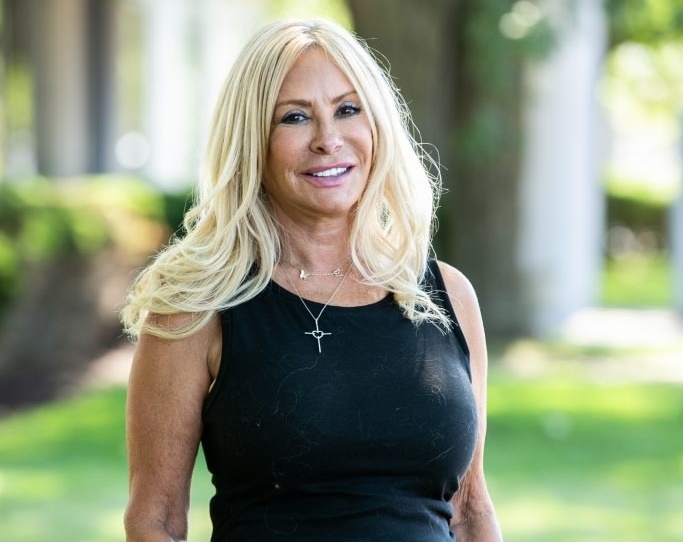
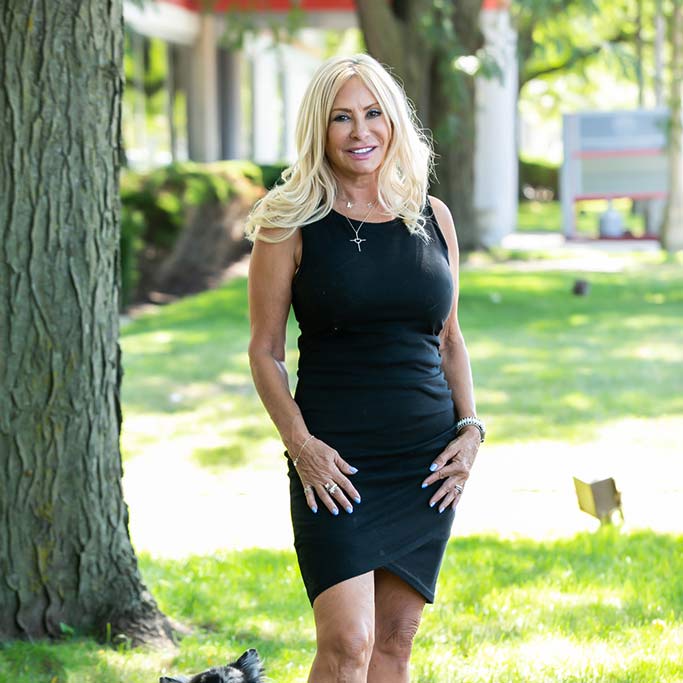
Dr. Robin Kroll
Licensed Clinical Psychologist Board Certified Police and Public Safety Psychologist
Subscribe To Our Newsletter